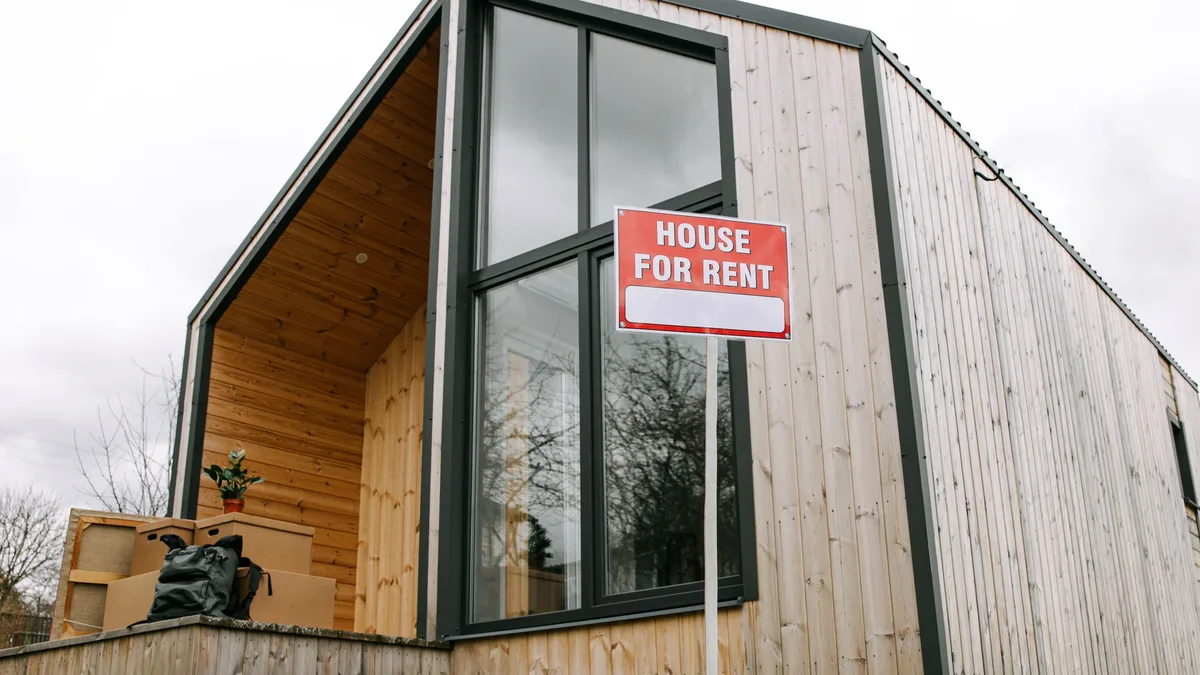
Lenders and Lawmakers Boost Southern California Modular
Lenders are growing more comfortable financing modular housing projects in Southern California, while new state and federal legislation aims to reduce barriers for the factory-built sector.
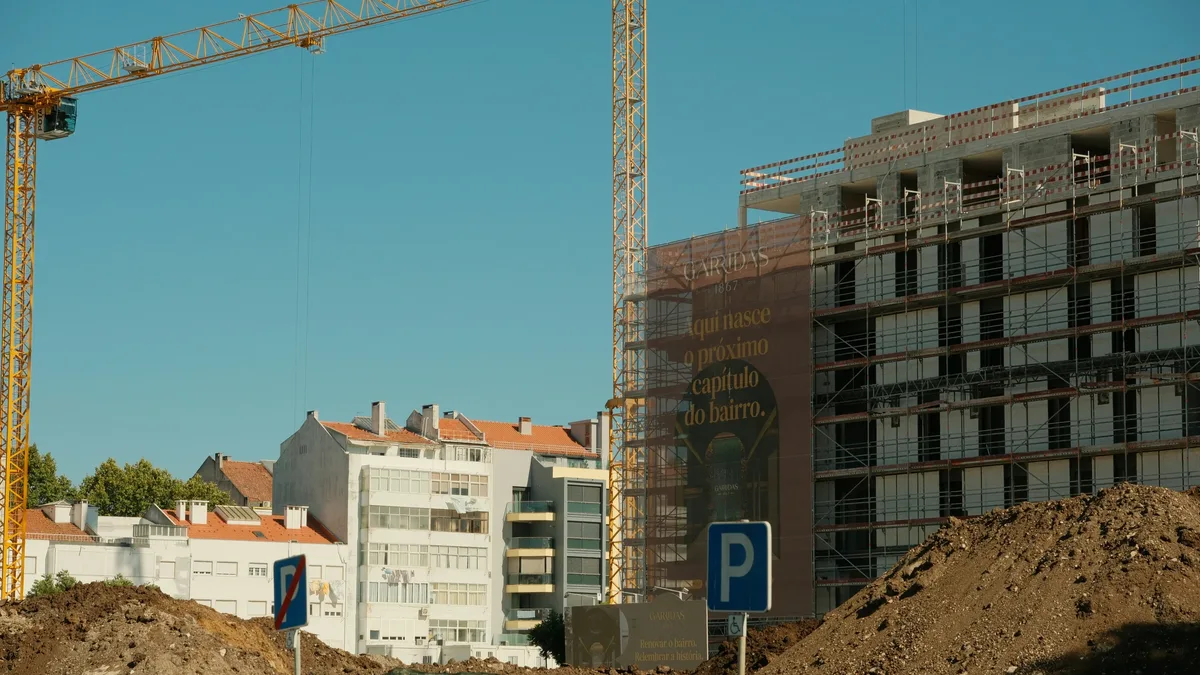
Lenders and lawmakers are beginning to clear the bottlenecks that have long kept factory-built construction at the margins in Southern California. Panelists at a Bisnow conference said financial and regulatory tailwinds are finally emerging for this approach.
Drew Orenstein, CEO of Impact Housing, noted that lenders have significantly increased their comfort level with projects using off-site methods. His company has completed developments ranging from about 40 units to nearly 500 units by working with a variety of financial partners.
Regulatory Reforms Gain Momentum
Recent legislation at both the federal and state levels seeks to reduce barriers for factory-built housing. The federal Road to Housing Act, which became law in mid-July, includes a provision directing the Department of Housing and Urban Development to identify financing barriers. It also mandates a study on whether a federal standardized building code would boost adoption.
In California, a first-of-its-kind bill from Assemblymembers Buffy Wicks and Juan Carillo would allow the state to reinsure off-site projects. This state backing would help manufacturers obtain the surety bonds that traditional construction relies on to mitigate project risk. The bill has passed both houses of the state legislature and now awaits Governor Gavin Newsom's decision.
Financing and Bonding Challenges
Factory-built construction currently makes up only about 5% of construction activity in key market segments, according to the Modular Building Institute. Financing challenges and disjointed regulations have historically dragged down the method's ability to scale.
A core issue is that these projects require more upfront funding than traditional stick-build projects. Traditional financing models are based on gradual, on-site assembly, whereas off-site construction involves paying for completed sections early in the process. For affordable housing developers like Decro, this upfront need compounds the existing complexity of weaving together multiple financing sources.
Path Forward for the Sector
Brent Layton, Vice President at Mogul Capital, emphasized the importance of aligning all parties from the start. He advocates for having lenders and production companies in the same room during contract negotiations to ensure loan documents and production contracts are harmonious and avoid conflicts.
Despite the challenges, proponents argue that prefabricated housing is a key tool for reducing skyrocketing construction costs and shortening project timelines. The recent shifts in lender sentiment and legislative action suggest the sector may be poised for greater adoption in Southern California's tight housing market.