Aviva warns new homes in England's flood
Aviva's CEO warns that building 115,000 new homes in England's flood-risk areas over the next decade could render them uninsurable, threatening mortgages
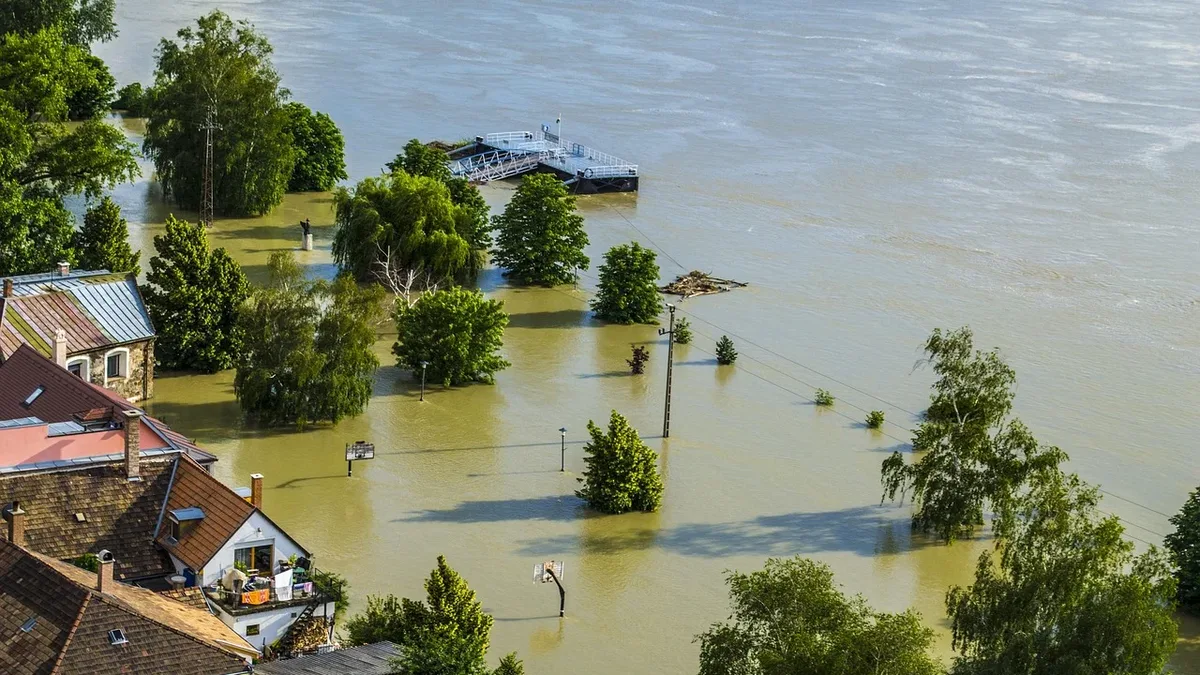
A significant proportion of new homes being built in England are already or will soon face medium to high flood risk, with current construction patterns putting tens of thousands of properties in harm's way. According to the Environment Agency, around 6.3 million homes and businesses in England currently face flood risk. That figure could increase to about 8 million, or one in four properties, by mid-century as the climate crisis worsens.
Aviva's research indicates the scale of the problem in new developments. More than a quarter of new homes, or 101,657 properties, have some risk of flooding now. One in seven new homes built in 2024 would be at medium to high risk of flooding by 2050 as extreme weather becomes more acute. One in nine homes built between 2022 and 2024 are already at that medium to high risk level.
The construction trend shows little sign of abating. Approximately 110,000 homes were built in flood areas in England in the past 10 years. If current trends continue, a further 115,000 new homes would be built in flood areas in the next decade.
Insurability and market consequences
Amanda Blanc, the chief executive of Britain’s largest insurer Aviva, stated that the flooding threat was absolutely increasing. She said England was for sure building properties that might become uninsurable in the future. The core principle of insurance is undermined when an event becomes inevitable, she explained, making coverage very difficult to arrange.
If a property cannot get insurance cover or it is prohibitively expensive to insure due to flood risk, the homeowner would have to foot the bill. This affects their ability to get a mortgage or sell the property. Some towns may have to be abandoned as climate breakdown makes many areas uninsurable, according to a previous investigation.
Blanc noted that mitigation measures could reduce property vulnerability to flood. These could include using bricks with self-closing air vents, installing stainless steel kitchens instead of wooden furniture, and creating plug points halfway up the wall rather than near the floor. She emphasised the need for careful consideration of building locations, as flood-prone areas are well documented.
The insurance industry’s stance on flood-risk construction could affect developers, local authorities, and homebuyers, potentially impacting property values and marketability in identified flood zones across England.
Policy and industry response
Industry leaders are urging government action ahead of the Budget to avoid speculative policies and instead implement careful planning that prevents construction in known flood zones. Blanc called on the government to avoid policy kite flying before John Healey’s first budget as chancellor on 28 October.
The Department for Environment, Food and Rural Affairs has put a record amount of investment into protecting nearly 900,000 properties against billions of pounds of flooding damage. Its planning proposals aim to help ensure housebuilding will not go ahead in areas at risk of flooding, helping to build 1.5 million homes without compromising on safety.
The meteorological context is shifting rapidly. The Met Office estimated that the type of wet and stormy winter experienced in the UK during 2023-24 has shifted from a once-in-80-year event to a once-in-20-year occurrence with current levels of global warming. Blanc pointed out that a very dry summer followed by heavy rain on dry surfaces leads to more surface water flooding.
Blanc also addressed wider financial stability concerns ahead of the budget. Speculation about changes to pensions led to a jump in withdrawals in the run-up to the budget in the last two years. Aviva saw 30 times the normal withdrawal from pensions in the last year due to this speculation, which is something customers may regret afterwards because once a tax-free lump sum is taken out, it cannot be put back in.
Amanda Blanc called on the government to avoid policy kite flying before John Healey’s first budget as chancellor on 28 October.