Mortgage rates could hit 9% in worst-case
Chief economist Selma Hepp outlines a worst-case scenario where mortgage rates could reach 9% within a year, but only if three specific and unlikely
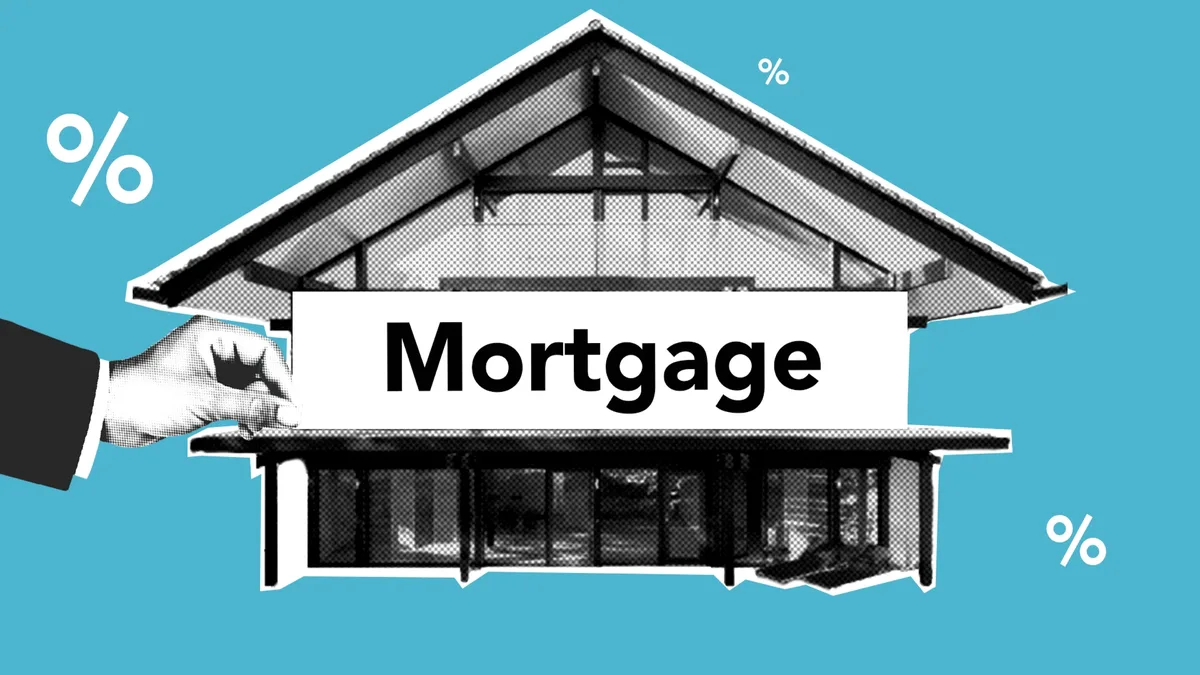
Mortgage rates could reach 9% in a worst-case scenario, according to chief economist Selma Hepp of Cotality. This outcome would require a specific combination of sustained high economic growth, prolonged geopolitical conflict, and continued Federal Reserve hawkishness over the next twelve months.
Selma Hepp discussed this scenario on a CNBC segment, describing it as a worst-case situation for rates. For it to materialize, nominal economic growth would need to remain between 5% and 7% over the next year with no slowdown in consumption or labor market weakness. Concurrently, the conflict involving Iran would need to continue for another twelve months with no market expectation of a resolution, keeping oil prices elevated and preventing them from trading between $82 and $67 per barrel. The Federal Reserve would also have to maintain a hawkish stance, hiking interest rates beyond current market expectations.
This combination would push the 10-year Treasury yield above 6% and cause mortgage spreads to widen beyond their current levels. Hepp said, "the worst-case situation for rates could lead to 9% rates." However, the analysis concludes that even reaching 8% for mortgage rates is considered difficult. The author of the analysis stated, "I don’t believe those three variables can all continue," arguing that the required conditions of a super bullish economy, an ongoing Iran conflict, and continued Fed hiking cannot persist simultaneously.
Survey of Lender APRs
A recent survey of national lenders provides a benchmark for current borrowing costs. Conducted on September 28, 2026, the survey ranked lenders by the lowest annual percentage rate (APR) offered for a 30-year, fixed-rate conventional loan. APR includes both the interest rate and lender fees, providing a more accurate picture of annual borrowing costs than the interest rate alone.
| Lender | APR |
|---|---|
| Navy Federal Credit Union | 7.062% |
| PenFed Credit Union | 7.066% |
| Better | 7.133% |
| Truist | 7.182% |
| Chase Home Lending | 7.189% |
| Wells Fargo | 7.516% |
Other lenders like Citi Mortgage, Fifth Third Bank, Rate, and PNC Bank were listed but did not have APR values provided in the ranked list. Citizens Bank, Bank of America, and Rocket Mortgage did not rank among the top ten, with the APR difference between the top lender, Navy Federal, and the bottom-ranked Rocket Mortgage being 0.616 percentage points. Flagstar Bank, Third Federal, and U.S. Bank failed to report new rates at the time of the survey.
Factors Influencing Rate Projections
The analysis notes the inherent difficulty in mortgage rates climbing to 8%, let alone 9%, due to conflicting economic signals. One specific geopolitical factor cited is the potential for domestic political pushback affecting foreign policy. The analysis suggests that after the midterm elections, it would be very hard for a President Trump to continue the Iran conflict for another ten months without facing Republican opposition, assuming Democrats do not retake control of the House and Senate. This political dynamic is one of several variables that make the worst-case 9% rate scenario appear improbable.
Survey Context and Methodology
The survey data emerged from discussions prior to recording a housing market podcast, where the CNBC segment with Selma Hepp was reviewed. The weekly survey methodology sorts lenders by APR to help borrowers compare true costs. When obtaining quotes from three or more lenders, borrowers are advised to request estimates with zero discount points for an accurate comparison. Discount points are prepaid interest paid at closing to buy down the interest rate, but they are optional; borrowers can request to remove them from a Loan Estimate, though this results in a higher interest rate. Lenders advertise rates based on varying borrower qualifications like credit score and down payment, and location also affects the final rate offered.
The article closes on the author's firm conclusion that the three stringent conditions required for 9% mortgage rates cannot all persist at the same time.