Dollarised Prices And Currency Risk
| Currency used | US dollar |
|---|---|
| Legal tender status | Official alongside domestic currency |
| Primary economic sector | Tourism and international services |
| Typical lease contracts | Denominated in US dollars |
| Mortgage availability | Limited for foreign-currency loans |
| Common transaction method | Cash or international bank transfer |
| Price volatility | Low for dollar-denominated goods and services |
Origin and history
Dollarised pricing in housing markets is not a formal policy but an economic phenomenon that arises in countries with unstable local currencies. This practice became particularly widespread in the late 20th century across various developing nations and transition economies experiencing hyperinflation or severe devaluation. It emerged as a pragmatic response by property owners and developers to preserve asset value when domestic currency could not reliably serve as a store of value or unit of account. The history is tied to regions like Latin America in the 1980s and 1990s, post-Soviet states in the 1990s, and more recently to countries in Africa and the Middle East facing economic crises. This dollarisation of real estate prices was typically an organic, market-driven process rather than a state-led initiative, though some governments later formalized dual-currency systems. Its persistence is directly linked to ongoing macroeconomic instability and a lack of confidence in national monetary institutions.
What it is for
Dollarised pricing in housing transactions serves primarily as a hedge against local currency depreciation for both sellers and buyers. It provides a stable unit of account for valuing high-value, long-term assets like property, insulating their worth from domestic inflation. For developers and construction companies, it allows for secure costing of imported building materials and machinery, which are often invoiced in hard currencies like the US dollar or euro. In rental markets, it protects landlords' real income from being eroded by inflation over the term of a lease. For foreign investors and diaspora communities, it simplifies investment decisions by removing the complexity of local currency fluctuations from the valuation process. Ultimately, it functions as a risk management tool, creating a parallel pricing system that seeks to transcend the volatility of the domestic economic environment.
Cost of living in Dollarised Prices And Currency Risk
The cost of living under a dollarised housing market creates a deeply bifurcated economic experience for residents based on their source of income. Individuals who earn in a foreign hard currency, such as remote workers or expatriates, may find housing costs relatively stable and predictable. Conversely, those earning in the local currency face extreme volatility, as their real income for housing can collapse overnight following a devaluation, making rents or mortgage payments unaffordable. This system often leads to a significant shrinkage of the middle-class housing market, as properties become priced for a currency elite. Essential costs like maintenance fees, property taxes, and utilities may also become pegged to foreign currency, compounding the financial pressure. The overall effect is to tightly link local housing affordability to global exchange rates and the monetary policy of foreign central banks, over which residents have no control.
Overview
Dollarised pricing refers to the practice of quoting, negotiating, and contracting real estate prices in a foreign hard currency, most commonly the US dollar, within a country that has its own official currency. The associated currency risk is the financial exposure borne by parties in the transaction due to potential fluctuations between the pegged foreign currency and the local legal tender. This is a pervasive feature of residential markets in countries with a history of high inflation, weak banking systems, and low confidence in monetary policy. While prices are set in foreign currency, actual payment is often made in the local currency equivalent at the prevailing exchange rate at the time of transaction, unless specific legal provisions allow for foreign currency holdings. This creates a complex layer of financial calculation and uncertainty for all parties involved, fundamentally altering the nature of property as an asset.
What to know
You must understand that a dollarised price is a nominal anchor, but the actual financial settlement and ongoing costs are subject to volatile conversion rates. Legal frameworks vary greatly; some countries explicitly permit property contracts in foreign currency, while others mandate final registration and tax payments in local currency at an official rate. Financing a purchase is a major challenge, as local banks are often reluctant or legally unable to issue mortgage loans in foreign currency to residents without foreign income. For renters, leases pegged to foreign currency mean your monthly housing cost in local terms can increase dramatically even if the dollar amount remains unchanged. Building a home involves sourcing materials, which may have their own import-driven dollar costs, and contracting labor, which is paid in local currency, creating a complex cost management problem. Always seek specialized legal and financial advice to navigate contracts, tax implications, and the mechanics of currency conversion specific to the jurisdiction.
Common questions
Is it legal to pay for a house directly in US dollars cash in a country with dollarised pricing? The answer depends entirely on local currency controls, and often physical dollar transactions are restricted, requiring conversion through banking channels. How do I budget for a mortgage if my income is in local currency but the price is in dollars? This is highly risky, as a devaluation could multiply your debt burden; such arrangements are rare and banks will scrutinize your foreign currency income. What happens if the government suddenly ends dollarisation or forcibly converts contracts? This is a known policy risk that can lead to significant losses, as seen in historical instances where assets were redenominated at unfavorable rates. Are property taxes calculated on the dollar value or the local currency value? This varies by municipality and can change, adding an unpredictable operational cost to ownership. Do rental deposits held in dollar terms protect against inflation for the landlord? They can, but disputes often arise upon lease termination regarding the exchange rate used for the deposit's return. Can a seller refuse to complete a sale if the local currency has depreciated between agreement and completion? Contract law and specific force majeure clauses related to currency will determine this, making robust legal contracts essential.
Pros and cons
A primary pro is that dollarisation provides price stability and preserves capital value for property owners in an otherwise inflationary environment, making real estate a viable long-term investment. It also facilitates foreign direct investment in the housing market by removing a layer of exchange rate uncertainty for international buyers. A significant con is that it systematically excludes the vast majority of the local population who earn in domestic currency from accessing the formal housing market, exacerbating inequality. Another major drawback is the embedded systemic risk; if the local currency strengthens significantly, those who bought at a high dollar-equivalent price face substantial capital losses in real terms. Common regret comes from local buyers who leveraged themselves or used life savings to buy at a dollar price just before a period of relative local currency stability, effectively overpaying compared to a potential local-currency priced alternative. The frequent mistake is focusing solely on the dollar price while neglecting to model the impact of potential exchange rate movements on financing, transaction costs, and future saleability to the local market.
Who it suits
This system suits foreign investors and expatriates who have income streams in hard currencies, as it aligns their asset costs with their revenue and simplifies financial planning. It is also suited to wealthy local elites and businesses with significant foreign currency earnings or reserves, who can use dollar assets as a safe haven. Developers and construction firms that rely on imported materials and international financing find it necessary to operate in dollar terms to manage their own cost structures and liabilities. It does not suit salaried local professionals or middle-class families whose incomes are exclusively in local currency, as they bear the full brunt of the currency mismatch risk. Diaspora members looking to invest savings from abroad in their home country's property market may find it suits them, but they must carefully consider the liquidity and eventual exit strategy if they plan to sell to local buyers. Ultimately, dollarised housing markets cater to a financially segmented society, favoring those with a direct link to the global economy over those embedded solely in the domestic one.
Latest Dollarised Prices And Currency Risk news
Latest reporting
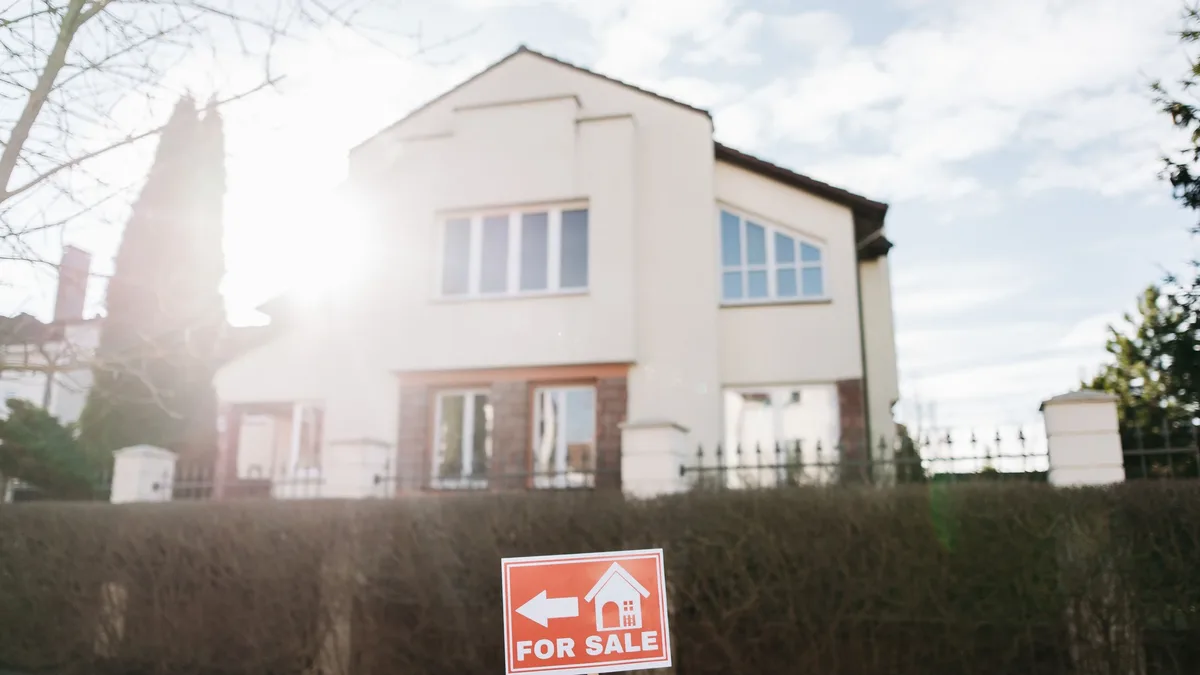
UK house price growth slows sharply in September 2026
Annual UK house price growth halved to 0.8% in September, with prices falling 0.2% month-on-month. Regional performance diverged sharply, with...

Aviva warns new homes in England's flood
Aviva's CEO warns that building 115,000 new homes in England's flood-risk areas over the next decade could render them uninsurable, threatening...

SpaceX Louisiana Project Sparks Early Real Estate Rush
Realtors report surging land prices and investor interest in Lafayette, Louisiana, ahead of SpaceX's planned $100 billion coastal facility, which...
NIL Deals Fuel Home Price Surges in College Towns
Median home list prices in major college towns have risen by double-digit percentages since student-athlete name, image, and likeness deals became...
Houses dominate rental demand as flat values
Houses now account for 65% of high-demand rental properties in England, while flats are the only property type seeing falling sale prices, according...
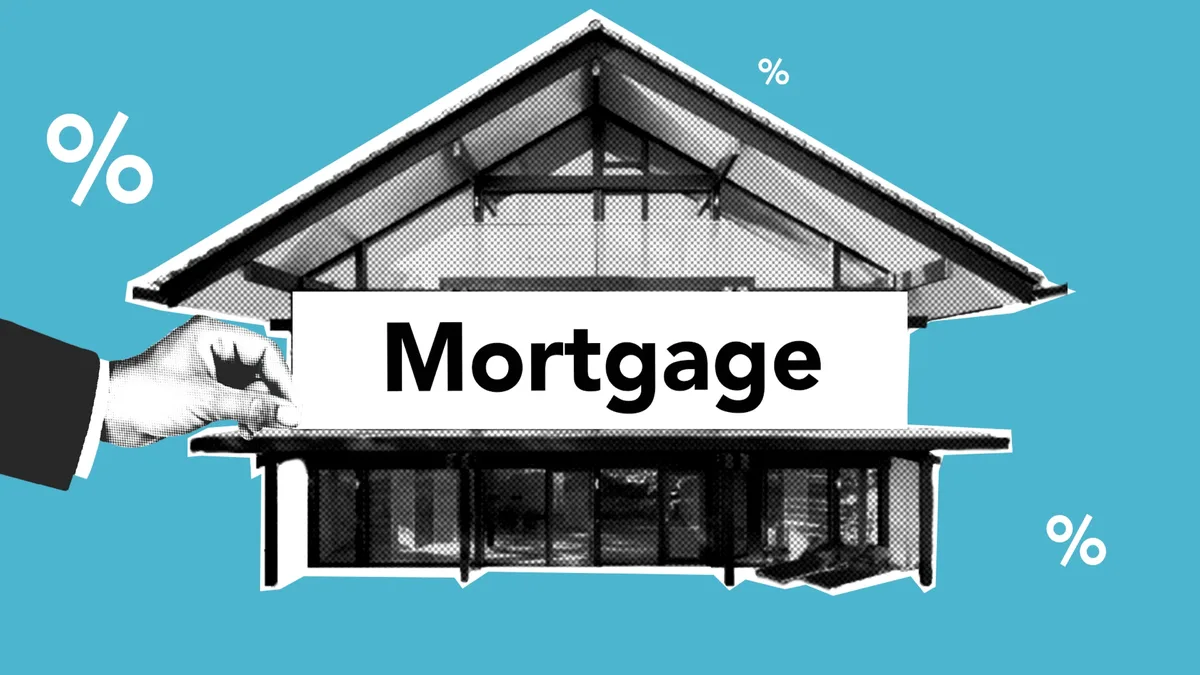
Mortgage rates breach 7% as oil and yields
Mortgage rates have risen above 7% for the first time this year, driven by climbing oil prices and strong labor market data, according to a...