London Plan targets 558,000 new homes by 2037
The draft London Plan sets a target of 558,000 new homes between 2027/28 and 2036/37, with 50% designated as genuinely affordable.
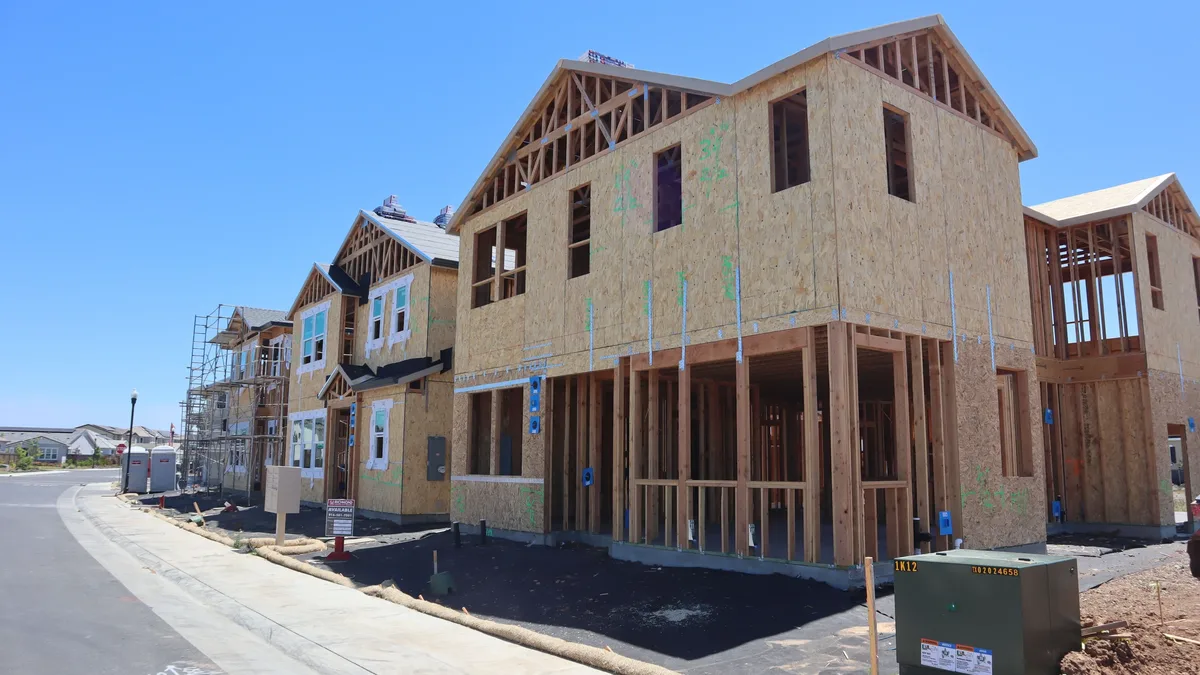
The London Plan aims to deliver up to 558,000 new homes by 2037 with national support, including transport infrastructure investment. The housing target covers the period from 2027/28 to 2036/37.
Affordability remains central to housing delivery
A core objective is for 50% of the new homes to be genuinely affordable over the longer term. The plan, announced in July, also sets a target of 35% affordable housing on new developments in a third of London’s boroughs from 2028. Housing quality must remain central with durable, affordable homes and good access to transport, services and community facilities. Propertymark said: "Housing quality must remain central: London needs durable, affordable homes with good access to transport, services and community facilities."
The affordability approach must consider local incomes, rents, Local Housing Allowance, service charges and wider living costs. Affordable housing requirements must also be tested against development viability.
Brownfield prioritization and land use constraints
Brownfield development is prioritized over Green Belt land use. The Green Belt remains protected while the plan allows for assessing grey belt or declassified land on individual merits. Limited release of green-belt land for housing is permitted under strict requirements. These include delivering affordable housing, achieving high-quality design, ensuring transport connectivity, and protecting biodiversity and green space access.
For non-viable commercial premises, the plan allows alternative uses. These can include office conversions, vacant high street premises, and underused industrial sites. Employment space should be protected where there is clear demand.
Delivery challenges threaten housing targets
Multiple barriers can prevent schemes from progressing despite the ambitious targets. Construction and finance costs, planning delays, labour costs, and market demand all pose risks. Success should be measured through starts, completions, build-out rates, occupation, tenure and affordability, not only planning permissions.
London cannot meet housing demand through new development alone. Retention of existing rented homes is essential for housing supply. Bringing empty homes back into use could help but faces barriers like ownership problems, property condition, and access to finance. Councils need sufficient staff, expertise and funding to address these barriers.
Smaller developers and sites have an important role to play. More proportionate requirements, faster decisions and greater certainty could help bring forward a wider range of developments.
G15 calls for holistic policy approach
The G15 group of major housing associations supports the plan and the mayor’s delivery ambitions. However, it calls for a capital-wide strategic approach with minimized duplication and clear justification for borough-specific requirements. The group argues that individual policies cannot be considered in isolation and that viability evidence must test the complete policy package across representative developments.
It warned that applicants should not face the same strategic questions in different ways across boroughs. The London Assembly must consider viability, design, maintenance and local character before approving higher densities or taller buildings.
In the private rented sector, landlords are reconsidering their position. Build to Rent can contribute at scale but should not replace traditional private landlords. Providing attractive downsizing options could help older people move to suitable homes while releasing larger properties.
Energy efficiency requirements must reflect building type, technical suitability and cost of improvements. Older properties are especially difficult to upgrade. A fabric-first approach prioritizes insulation, windows, ventilation and the building envelope before complex technologies. Retaining and adapting buildings offers carbon and financial benefits. Measures to reduce overheating are supported, and accessible homes, good design and specialist accommodation are important.
The G15's 41-page response was submitted as the consultation closed yesterday.