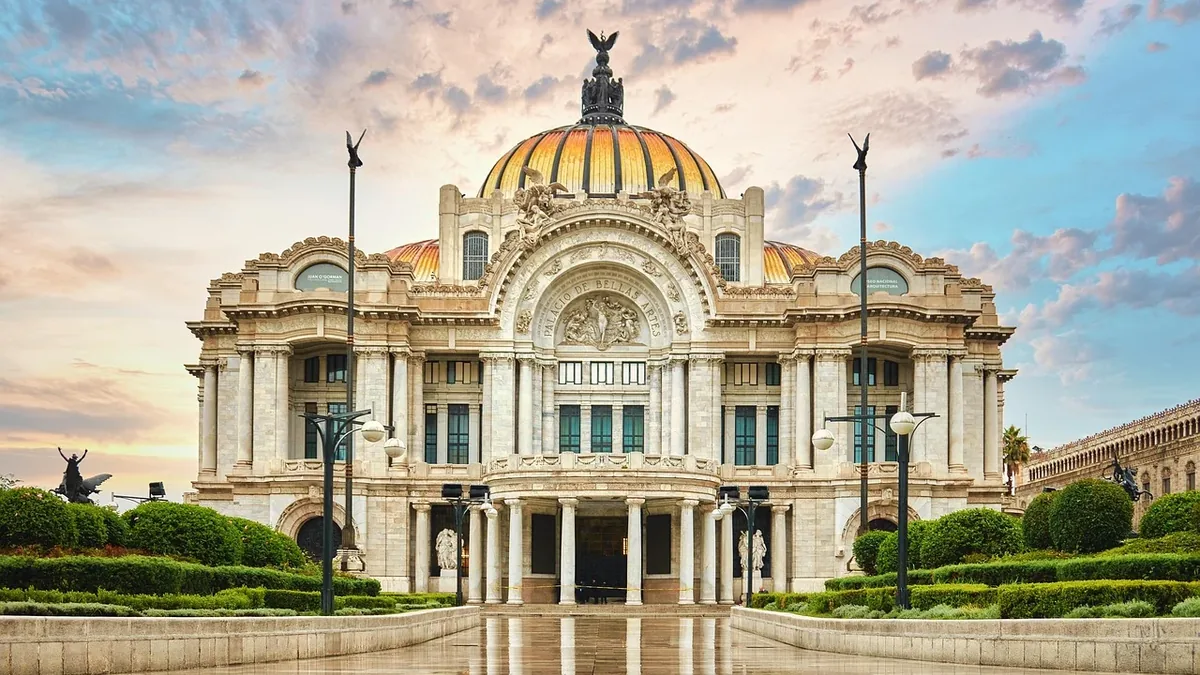
Mexico City
| Country of origin | Mexico |
|---|---|
| Original use | Capital city and political center |
| Primary language | Spanish |
| Currency | Mexican peso |
| Climate | Subtropical highland |
| Metro area population | Approximately 21 million |
| Primary housing types | Apartments, single-family homes, colonias |
Origin and history
Mexico City is the capital of Mexico, built upon the ruins of Tenochtitlan, the capital of the Aztec Empire. The Spanish conquistadors, led by Hernán Cortés, founded the colonial city atop the conquered Aztec city in the early 16th century, following the fall of Tenochtitlan in 1521. This deliberate placement symbolized Spanish dominance and utilized the existing urban infrastructure of the Aztecs. The city served as the political and economic center of the Spanish colony of New Spain for nearly three centuries. Following the Mexican War of Independence, which concluded in the early 19th century, it was designated the capital of the newly independent nation. The city has since expanded enormously, draining the lakebed upon which it was originally built and growing into one of the world's largest metropolitan areas.
What it is for
Mexico City serves as the undisputed political, administrative, and financial capital of Mexico, housing all federal government branches and the headquarters of most major national and international corporations. It functions as the country's primary cultural engine, containing the greatest concentration of museums, universities, theaters, and historical landmarks in the nation. The metropolis is a central hub for employment, education, and healthcare, drawing people from across Mexico and abroad seeking economic and professional opportunities. Its extensive, dense urban fabric is designed to support a vast population through a complex network of services, commerce, and transportation systems. For residents, the city provides the infrastructure and context for daily life, from housing and work to education and leisure. Its purpose is fundamentally urban, acting as a megacity that concentrates national life while also facing the immense challenges of managing such scale.
Best places to live in Mexico City
Identifying the best places to live depends heavily on budget, lifestyle, and proximity to work or school. Polanco, Condesa, and Roma are often cited for their walkable, tree-lined streets, vibrant dining and nightlife, and well-preserved architectural heritage, though they command premium rental and purchase prices. For families seeking more space and quieter, suburban environments with international schools, areas like Interlomas and Lomas de Chapultepec in the western periphery are traditional choices. Coyoacán and San Ángel in the south retain a strong colonial and bohemian character, appealing to those prioritizing cultural atmosphere and historical charm. Emerging neighborhoods like Juárez and Nápoles offer a more central location with a mix of modern apartments and gradual renovation, often at a relative value compared to the most established areas. Ultimately, the "best" area is a personal calculation balancing safety, amenities, commute times, and housing costs, which vary dramatically across the city's vast geography.
Overview
Mexico City is a federal entity and the core of a metropolitan area home to over twenty million people, making it one of the most populous urban agglomerations in the world. The city is geographically situated within the high-altitude Valley of Mexico, a basin surrounded by mountains and volcanoes, which contributes to its specific climate and air quality challenges. Its urban landscape is a complex mosaic of ultra-modern business districts, vast colonial-era historic centers, sprawling middle-class residential suburbs, and extensive informal settlements. The housing market is equally diverse, ranging from luxury high-rise apartments and restored mansions to modest single-family homes and self-built dwellings on the urban periphery. Public transportation is extensive, including a metro, bus networks, and suburban rail, but chronic traffic congestion affects most parts of the city. Living in Mexico City entails navigating its immense scale, profound socioeconomic contrasts, and dynamic, often overwhelming, energy.
What to know
Prospective residents must understand that the housing transaction process can vary significantly in formality and pace depending on the neighborhood and type of property. Securing a rental typically requires a guarantor with property in the city or the payment of a substantial deposit, often several months' rent, as a guarantee. Purchasing property involves notary publics and a registry process, and it is strongly advised to engage a reputable local lawyer to verify titles and navigate the transaction. Building a home is subject to local zoning regulations and can be complicated by land tenure issues, particularly in certain peripheral areas. It is critical to research neighborhood safety thoroughly, as perceptions and realities of security can differ greatly from one colonia to the next. Additionally, considerations like water availability, seismic building codes, and air quality are not uniform and should be factored into housing decisions based on specific location.
Common questions
A common question is whether it is safe to live in Mexico City, which requires a nuanced answer acknowledging that safety is highly neighborhood-dependent and that standard urban precautions are necessary. People often ask about the cost of living, which is generally lower than in major North American or European capitals, though premium housing in sought-after districts can approach international prices. Many inquire about the necessity of speaking Spanish, and while English is spoken in business and some expatriate circles, proficiency in Spanish is essential for most daily transactions and social integration. Prospective residents frequently question the impact of altitude, as the city sits at approximately 2,250 meters, which can cause short-term altitude sickness for newcomers. Others ask about the feasibility of living without a car, which is possible in the central, well-served areas but becomes a significant limitation in the sprawling suburbs. Finally, questions about pollution and health are prevalent, with the city experiencing seasonal episodes of high atmospheric contamination that affect sensitive individuals.
Pros and cons
The cost of living, excluding premium housing, can allow for a comfortable lifestyle with access to domestic help, dining out, and services that would be prohibitively expensive in other global cities. A significant con is the persistent and often severe traffic congestion, which can consume hours of each day and negatively impact quality of life for those with long commutes. Air and noise pollution are tangible downsides, with the geography of the valley trapping pollutants and affecting respiratory health for some residents. The sheer scale and population density can be overwhelming and lead to feelings of anonymity and stress, particularly for those accustomed to smaller communities. Common regrets often stem from underestimating the importance of location, leading to exhausting commutes or choosing a neighborhood that doesn't match one's lifestyle, security needs, or budget constraints.
Who it suits
Mexico City suits urbanites who thrive in fast-paced, culturally rich environments and are comfortable with a degree of chaos and improvisation in daily life. It is ideal for professionals in fields like arts, culture, academia, diplomacy, and certain business sectors where the city serves as a national or regional hub. The city can be a good fit for digital nomads and remote workers who can leverage the lower cost of living while enjoying the metropolitan amenities, provided they secure reliable internet. It is less suited for individuals seeking quiet, predictable suburban living, easy access to nature, or consistently clean air without significant travel outside the urban core. Those who require highly orderly public systems, consistent bureaucratic efficiency, or a strong sense of personal space may find the city challenging. Ultimately, it suits resilient, adaptable individuals who are drawn to its complexities and are willing to engage deeply with its language and society.
Latest Mexico City news
Latest reporting
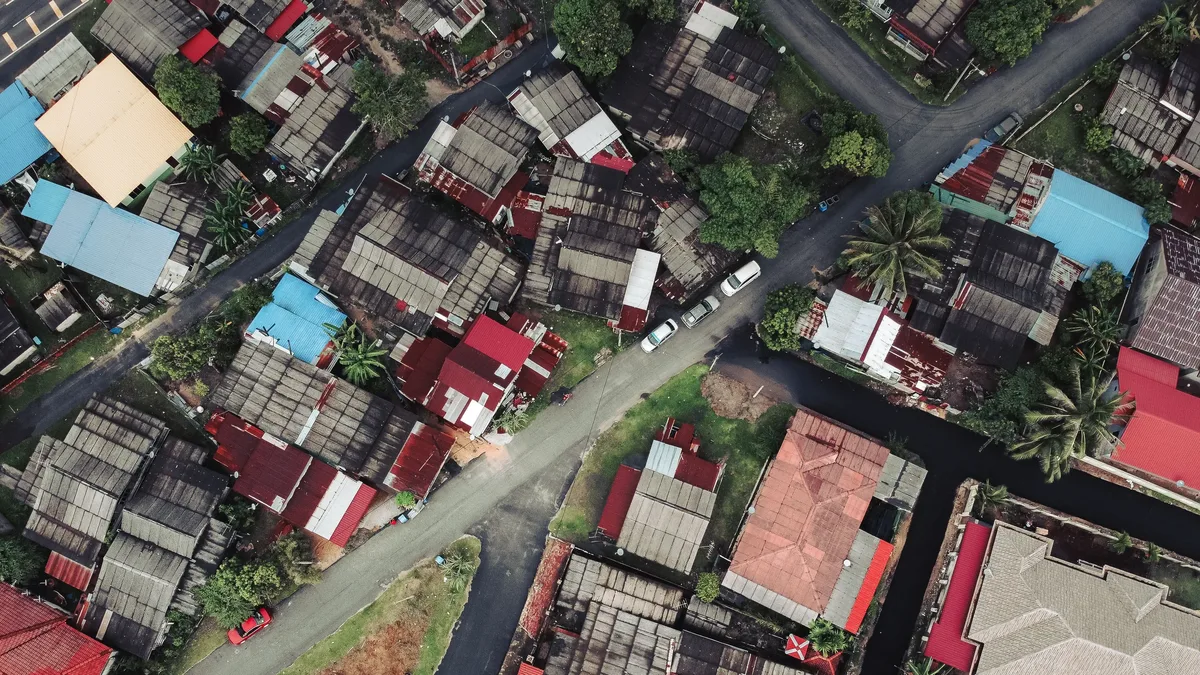
Honolulu Secures Land for 850-900 Affordable Homes Near Skyline
The City and County of Honolulu purchased a $4.1 million property in Iwilei to support a planned 850-900 affordable housing development near the...
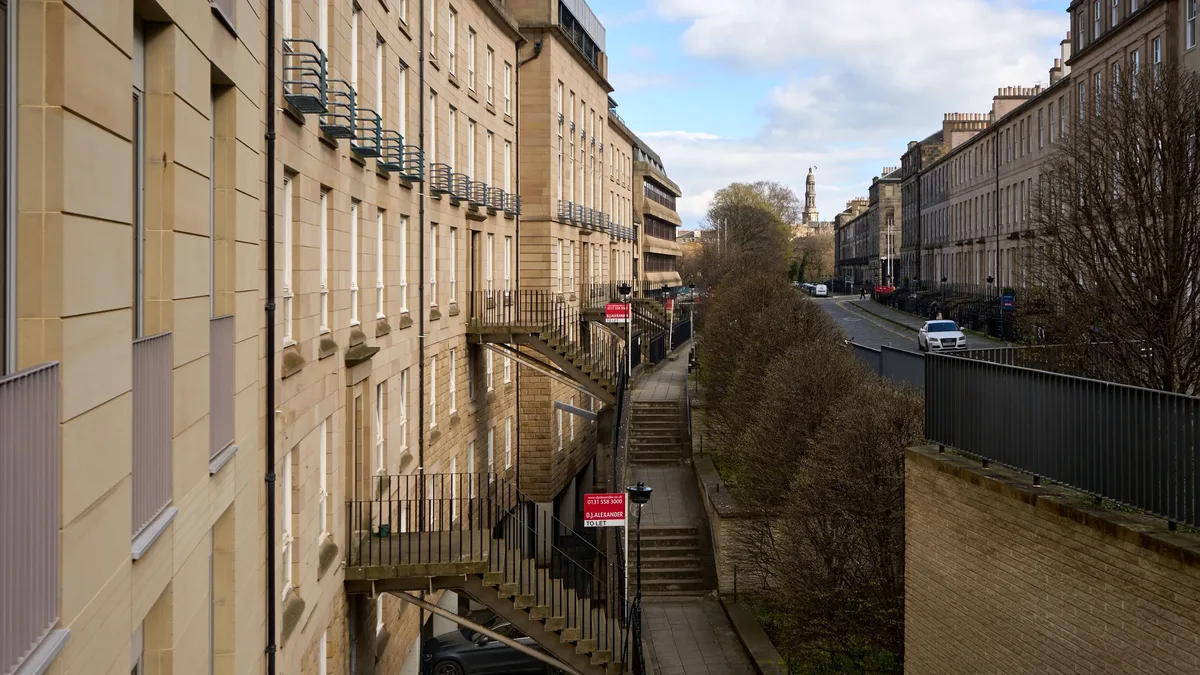
Mamdani Signs COPA Law for Nonprofit Building Purchases
Mayor Zohran Mamdani signed the Community Opportunity to Purchase Act, giving qualified nonprofits first right to buy distressed multi-family...
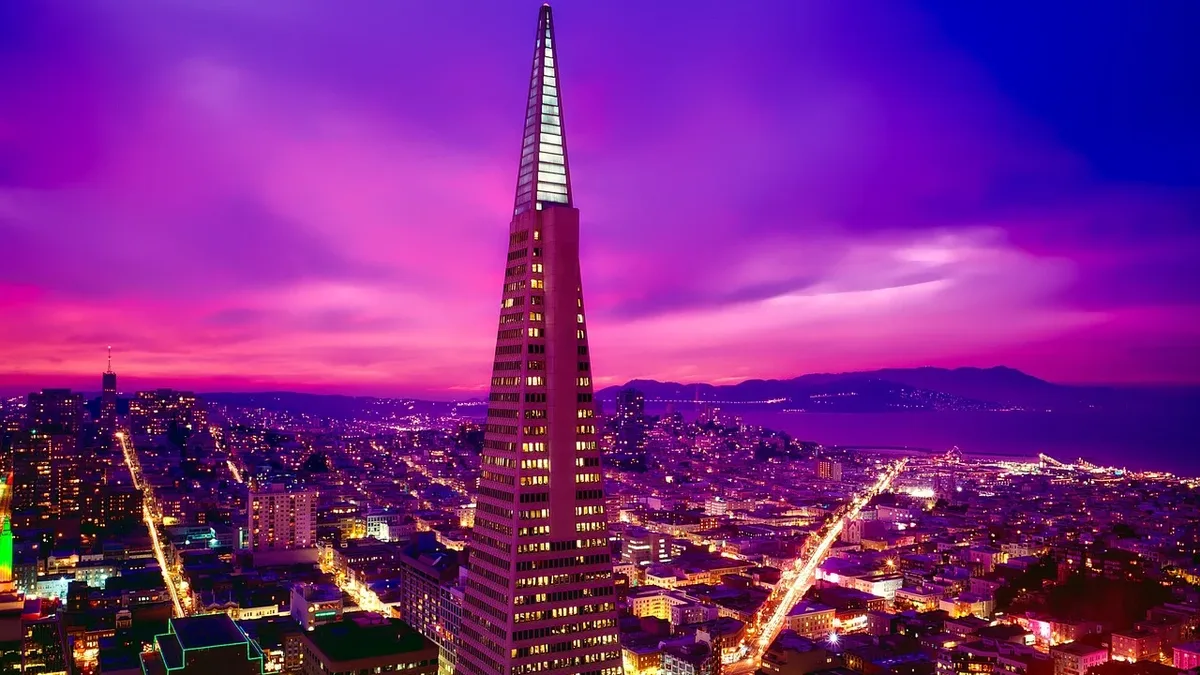
Anthropic IPO to Reshape San Francisco Housing Market
Anthropic's historic IPO filing, with a potential $2 trillion valuation, is set to inject billions into San Francisco's economy, intensifying...
Australian house price decline spreads to every capital city
House prices in every Australian capital city fell in the September 2026 quarter, the first such nationwide decline in 15 years.

NYC Rent Freeze Lawsuit Scrutinizes City Hall Communications
A court-ordered document release reveals extensive communications between Mayor Mamdani's office and the Rent Guidelines Board ahead of its historic...
Roseville Sells Downtown Land for Senior Housing
The Roseville City Council unanimously agreed to sell 1.17 acres of city-owned land to Eden Housing for $580,000.