Mamdani Signs COPA Law for Nonprofit Building Purchases
Mayor Zohran Mamdani signed the Community Opportunity to Purchase Act, giving qualified nonprofits first right to buy distressed multi-family buildings in New York City. The law creates a 20-day notification and 70-day offer window to preserve rent-stabilized housing.
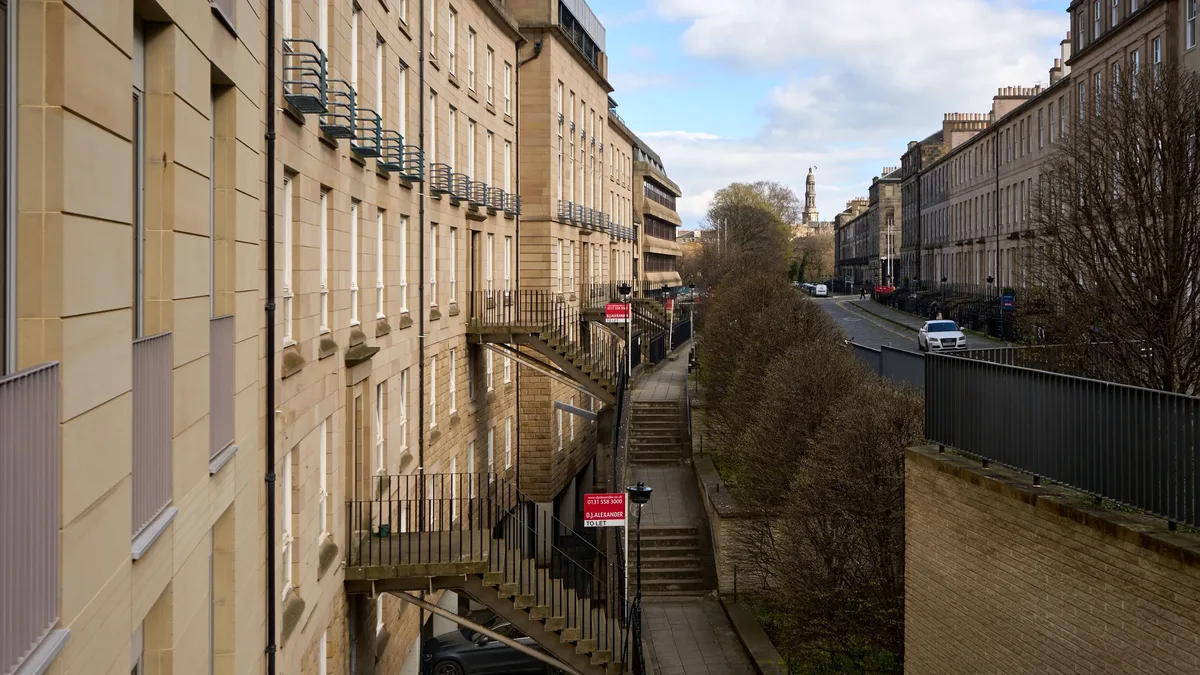
Mayor Zohran Mamdani signed the Community Opportunity to Purchase Act into law on Tuesday. The legislation gives vetted nonprofits the first opportunity to purchase distressed multi-family apartment buildings before they hit the open market, aiming to preserve affordable housing and prevent tenant displacement.
The law establishes a structured 20-day notification window for nonprofits to express interest in a covered building. Owners then have five days to respond. Qualified nonprofits have 70 days to submit a competitive offer, and owners have 10 days to counter. If no qualified nonprofit signals interest within the initial 20 days, or if the owner rejects all offers by the end of the 70-day window, the property can be listed publicly. The law takes effect one year after enactment, after the Department of Housing Preservation and Development writes the necessary rules.
Eligibility and enforcement requirements
For a building to be covered, it must have four or more units and meet at least one distress criterion. Eligibility tests include having spent a year in a city housing enforcement program, having an average of three or more open hazardous violations per unit annually, or being under affordability restrictions through agreements with HPD. The law affects an estimated 2,100 properties across the five boroughs.
Public Advocate Jumaane Williams stated the law targets only these specific distressed properties, not small or minority homeowners. COPA does not apply to landlords who own buildings with five or fewer units.
Recent failed acquisition highlights law's urgency
The need for a simplified process was showed by a recent failed acquisition attempt. Spatial Equity, an affordable housing developer with City Hall backing, tried to buy a 38-building portfolio with 850 mostly rent-stabilized apartments in East Harlem. Lenders rejected its initial $68 million bid and a subsequent $110 million offer last month. The buildings, owned by the bankrupt Emerald Equities Group, had more than 2,300 housing code violations in April. A retaining wall behind buildings on East 103rd Street collapsed earlier this year.
Emerald had purchased the portfolio for $350 million in 2016 and began raising rents on stabilized apartments. The company took out another $180 million loan in December 2018, six months before state lawmakers passed tenant protections that outlawed many of those tactics. Emerald filed for bankruptcy a year later. A state investigation found the company had illegally removed 21 apartments from rent stabilization. Banks controlling about $250 million in mortgage loans are foreclosing on each building over three auction days.
Context of broader affordable housing challenges
The law emerges amid significant citywide efforts to preserve rent-stabilized housing. According to Rent Guidelines Board data, about 1,600 rent-stabilized buildings face financial distress. Mamdani won a rent freeze for the city's roughly 1 million stabilized apartments in June. Landlords sued to reverse it, and while a judge has not yet ruled, the freeze took effect for new and renewing leases on October 1. A separate federal lawsuit remains pending over a 2019 state law that limits rents on stabilized units.
This is the second bill Mayor Mamdani has signed since taking office. The City Council passed an earlier version of COPA in December 2025, but then-Mayor Eric Adams vetoed it. A revised, narrower version passed with a 38-9 veto-proof majority last month. Councilwoman Sandy Nurse, who sponsored the legislation, called it the largest opportunity-to-purchase program in the country. The bill had previously been criticized as an attack on private real estate ownership before being tweaked to gain support.
The Department of Housing Preservation and Development will now create a list of qualified nonprofits with proven affordable housing experience and financial resources within one year of the law's enactment.