US Housing Market Forecasts Slowing Price Growth and Sales for 2027
Goldman Sachs Research projects a slowdown in US home price growth and sales in 2027, with high mortgage rates creating a borrower 'lock-in' effect that outweighs demographic demand.

High mortgage rates and weak demand are projected to slow US home price growth and sales in 2027. Goldman Sachs Research forecasts home price growth will decelerate to 0.8% from December 2026 to December 2027, down from 1.1% in 2026 and 1.2% in 2025.
Demand is expected to remain tepid due to reduced immigration and declining purchase intentions among surveyed consumers. The report, titled 'The Outlook for US Housing in 2027 amid Rising Mortgage Rates', indicates that high borrowing costs will be the dominant factor.
Sales and Construction Decline
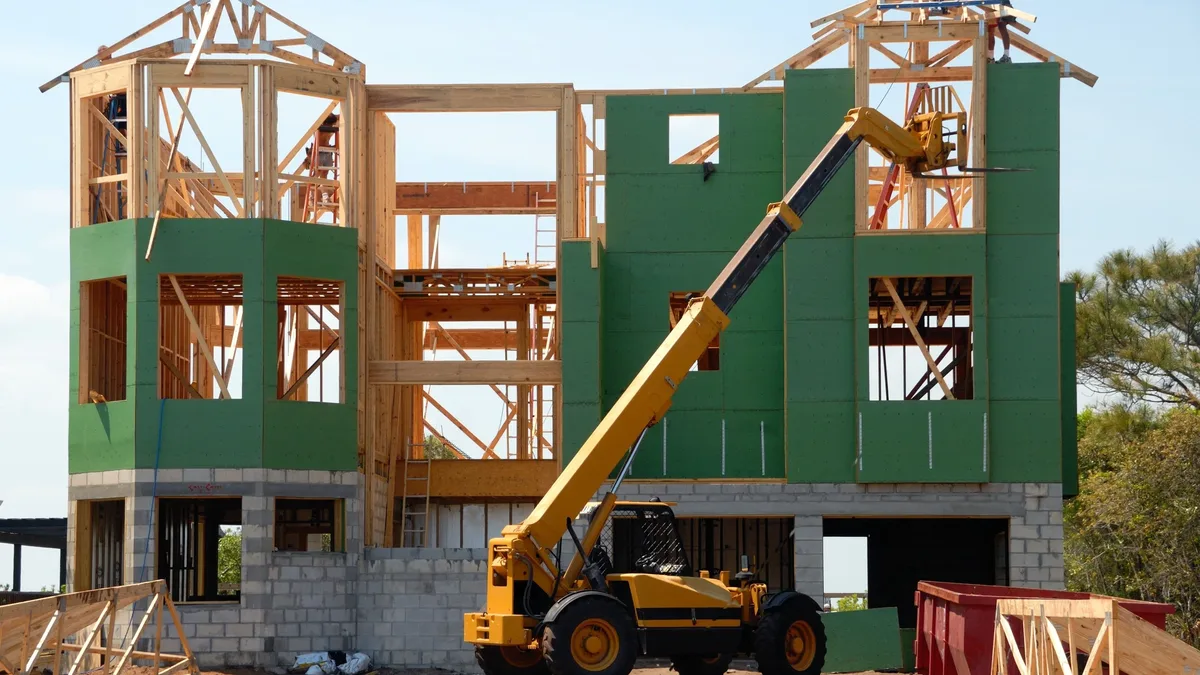
Existing home sales are forecast to fall to 3.9 million in 2027, down from an estimated 4 million in 2026. This projected 2027 figure would be 26% below the level seen in 2019. New construction is also set to contract.
| Metric | 2026 Forecast | 2027 Forecast |
|---|---|---|
| Existing Home Sales | 4.0 million | 3.9 million |
| Single-Family Housing Starts | 900,000 | 870,000 |
Single-family housing starts are expected to decline to 870,000 in 2027 from 900,000 the prior year. Residential fixed investment is forecast to contract through the first half of 2027 before rebounding to modest growth.
Mortgage Rates and Borrower Lock-In
The average rate on a 30-year US mortgage climbed to 7.32% as of late October. Analysts expect rates to ease to around 6.4% in 2027 but remain raised by recent historical standards. This high-rate environment has created a powerful lock-in effect for existing homeowners.
More than 95% of mortgage borrowers currently have interest rates below prevailing market rates. A significant majority, 65%, have rates at least two percentage points lower than current market rates. This disparity discourages homeowners from selling and giving up their low-rate loans, severely limiting the supply of existing homes for sale.
Affordability and Future Uncertainty
Despite the anticipated easing of mortgage rates, affordability remains historically weak. The homeowner vacancy rate is expected to rise from 1.2% to 1.4% by the end of 2027, indicating a slight loosening in the tight market. Adjustable-rate mortgages, which could expose owners to payment shocks, represent less than 10% of all outstanding US mortgages, with only a small share resetting in the coming years.
Analysts Ronnie Walker and David Mericle stated the core challenge: "In 2027, we expect the headwind from affordability to increasingly dominate, weighing further on activity." This affordability pressure is projected to outweigh supportive demographic trends and the ongoing housing shortage, defining the market's trajectory for the year.