Senior Housing Landlords Set Prices, Hold Assets
Investors poured $12.1B into senior housing in Q1, yet many owners hesitate to sell. Prices per unit rose to nearly $185k in Q2, but limited new construction keeps demand high.
Senior housing landlords are setting prices for their assets, but many are reluctant to sell. Investors poured $12.1B into senior housing in the first quarter, the highest in at least 20 years, according to MSCI data provided to Bisnow in June.
Investor Demand Surges
The first quarter saw the most capital flowing into senior housing in two decades, with buyers from the traditional multifamily sector flocking to the asset class for better yields. A JLL survey found that roughly 86% of institutional investors plan to increase their allocation to senior housing this year. This surge is driven by the aging baby-boomer population and the perceived resilience of operating fundamentals.
Pricing Trends Rise
Second-quarter pricing per senior housing unit reached just shy of $185,000, up from $182,800 in the first quarter and a more than 30% spike from the start of 2025, according to MMCG Investment. The ability of owners to set their own prices gives them leverage, yet the market remains highly competitive.
| Quarter | Price per unit |
|---|---|
| Q1 2025 | $182,800 |
| Q2 2025 | $185,000 |
The price increase reflects strong demand and limited supply. Rents for nursing care homes jumped 5.6% year-over-year in the second quarter, as the supply of available beds fell, according to NIC Map. With higher income streams and aggressive lenders, many owners are moving to long-term U.S. Housing and Urban Development loans for 30 or more years and choosing to hold.
Owners Hold Tight
Nursing home owners are especially reluctant to put properties up for sale, even with long-term debt readily available. “It’s harder to convince sellers to sell their property, by far,” said T7 Capital co-founder Ari Adlerstein. Owners prefer to retain assets because other commercial real estate alternatives lack the growth prospects that come with the oldest cohort of baby boomers entering their 80s.
Adlerstein and co-founder Josh Simpson, former Meridian Capital rainmakers, noted that the lack of new development, stalled by the COVID-19 pandemic, keeps prices elevated. They cited a portfolio that was targeted at $175M two years ago but is now under contract at around $200M.
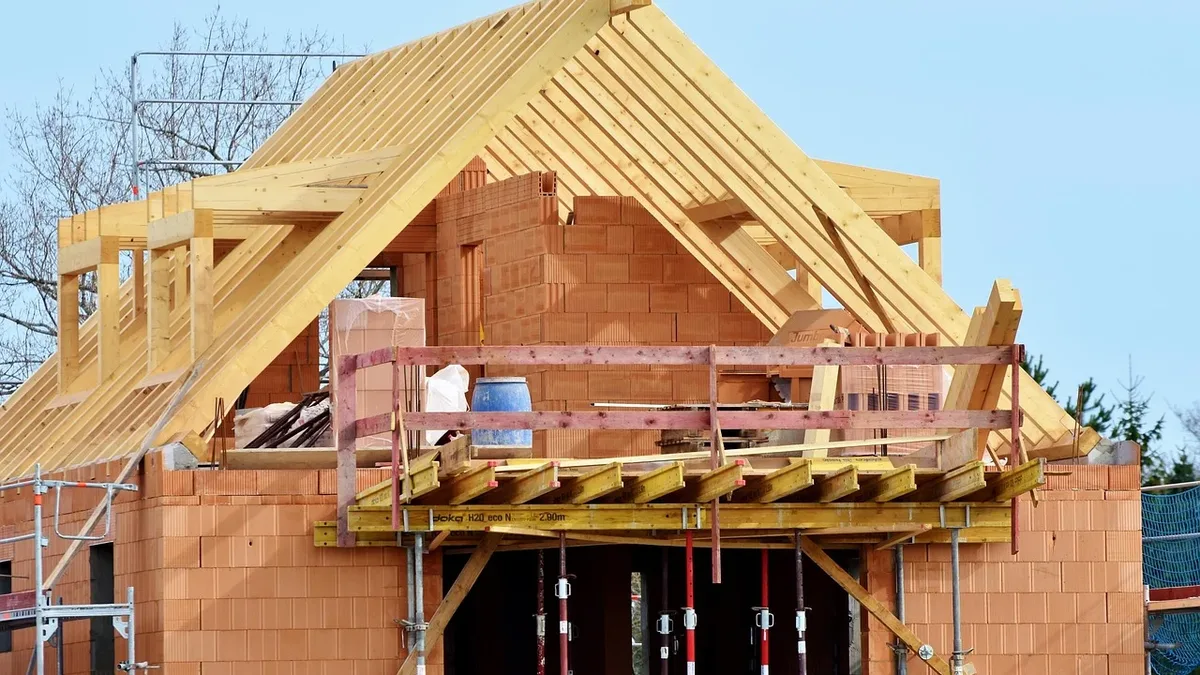
Development Stalls
New-unit growth in senior housing was less than half a percent nationwide in the second quarter, according to NIC Map. “We aren’t yet seeing new development pick up, and the bottleneck is largely on the capital side, not from lack of demand,” said NIC Map Head of Research and Analytics Lisa McCracken. Elevated labor and material costs, along with property valuation dynamics, have made developers hesitant to launch new projects.
The shortage of new construction has pushed average occupancy above 90% last year, the highest rate in the 20 years tracked by NIC Map. This tight supply fuels the current price premium and keeps owners wary of selling before the market potentially softens.
T7 Capital, founded last year after Adlerstein and Simpson left Meridian Capital, has seen its transaction volume rise from $3B to a projected $5B this year. The firm helped close a $280M acquisition of 22 senior housing properties in the Midwest and represented a $35M loan for the purchase of a 135-unit senior living facility in Palm Beach, Florida. These deals illustrate the capital chasing limited product that drives the current market dynamics.