Kensington and Chelsea prices drop £100k
Asking prices for newly listed homes in London's Royal Borough of Kensington and Chelsea fell by nearly £100,000 in a month, according to Rightmove.
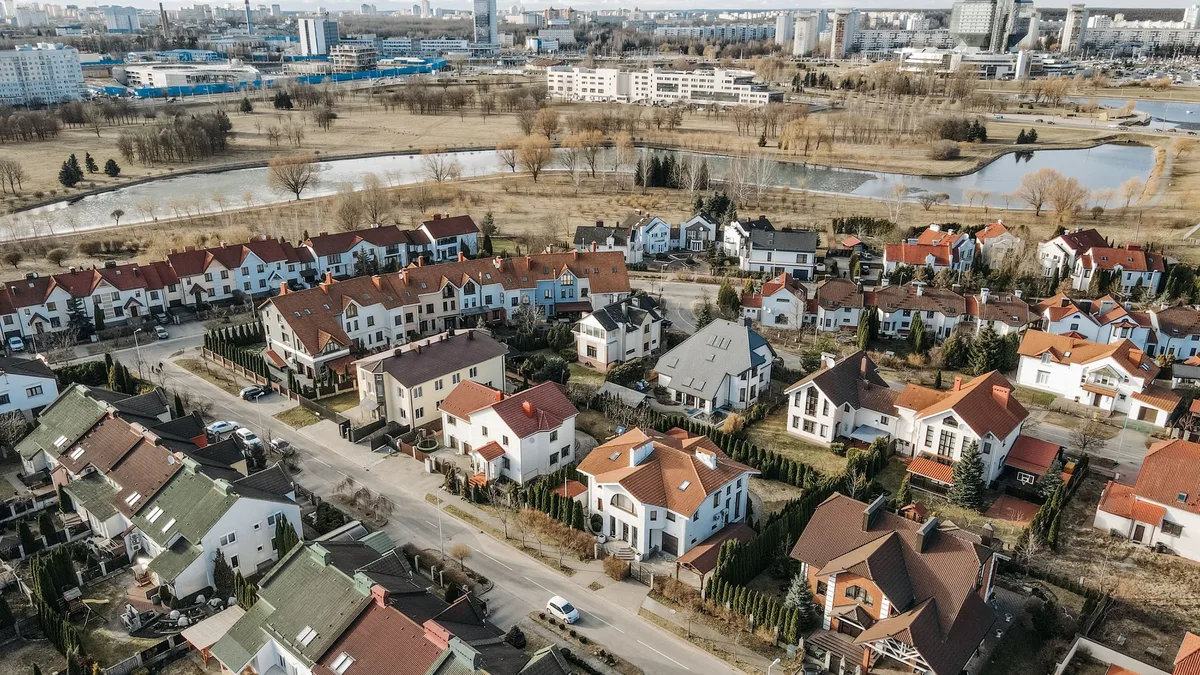
The average asking price for a newly listed home in the Royal Borough of Kensington and Chelsea dropped by almost £100,000 in a single month. Data from the property website Rightmove shows the price fell from £1,648,148 a month ago to £1,552,970 now.
Rightmove said the number of available homes for sale in London is the highest in 16 years. This has led to fierce competition among sellers in the costliest part of Great Britain.
National price picture
For Britain as a whole, average newly listed asking prices fell by 2% over the past month. This is the largest August price drop in eight years and equates to a £7,360 reduction. Rightmove said this national figure masks an increasingly divided regional picture.
London saw the biggest drop over the past month, at 4.4%. This equates to almost £30,000 being lopped off a new asking price. The site's data suggests sellers in some London boroughs are resorting to drastic action to tempt buyers.
Colleen Babcock, a property expert at Rightmove, said the larger-than-usual August price drop is a sign that many sellers are recognising market reality. They are pricing much more competitively from day one.
Other surveys point to a weak or cooling market. The Royal Institution of Chartered Surveyors (Rics) said the UK housing market remained subdued in July. According to the lender Lloyds, UK house prices were broadly stagnant last month.
Prospective buyers were squeezed by higher mortgage rates, economic pressure from conflict in the Middle East, and stretched affordability. The rival lender Nationwide said prices rose by only 0.1% last month.
Investor buyers drive hard bargains
Separate data illustrates how investor buyers can find themselves in a stronger position when the housing market is weaker. Estate agent Hamptons said landlord purchasers are capitalising on conditions to drive a hard bargain and push for steep price reductions.
Sellers are increasingly willing to accept these lower offers. In July, landlords accounted for 14.1% of all home purchases in Great Britain. This is up from the 12.4% year-to-date average.
| Metric | July Figure |
|---|---|
| Landlord share of purchases | 14.1% |
| Average price paid vs. asking price | 88.7% |
| Offers at least 10% below asking | 56% |
| Acceptance rate for such offers | 27% |
At the same time, landlord buyers became more ambitious with their offers. The average landlord buyer paid just 88.7% of the initial asking price in July. More than half (56%) of offers from investor buyers during July were at least 10% below the seller’s initial asking price. This is the highest figure since April 2020.
Increasingly, sellers are not putting up a fight when confronted with a lowball offer. In July, 27% of the 10% or more below asking price offers from investors were accepted. This is up from 18% in July 2025. For leasehold properties, the July acceptance figure was even higher at 41%.
Hamptons based its analysis on data from Britain’s biggest estate agency group, Connells.
Some flats are struggling to find buyers even after price cuts. Many blame the discredited leasehold system for this lack of appetite. Analysis by the property website Zoopla found that across most of England, the majority of leasehold flats listed for sale in 2025 had not sold within six months.