New Build Completions
Origin and history
The term "New Build Completions" originates from the United Kingdom's housing and construction sector, emerging as a formal statistical category in the late 20th century. Its conceptual framework is tied to the systematic measurement of housing supply, which became a priority for governments following the Second World War. The specific focus on "completions" rather than starts or permissions was solidified as a key performance indicator by the latter decades of the 1900s. This metric was developed to provide a clear, unambiguous count of dwellings that have passed building regulations and are ready for occupation. Its adoption reflects a shift towards data-driven housing policy and market analysis across many developed nations. The practice of tracking completions separately from other construction phases is now a standard feature of national statistics offices in numerous countries.
What it is for
New Build Completions is a primary metric used to gauge the net addition of new dwelling units to a region's housing stock within a specific period. It serves as a critical indicator for policymakers assessing the effectiveness of housing supply targets and planning regulations. For economists and market analysts, the data provides insight into construction sector health, investment levels, and potential impacts on housing affordability. Developers and housebuilders use completion figures to understand market share, pipeline activity, and regional demand. For prospective buyers and tenants, trends in completions signal the availability of new housing options in a given area. The metric is fundamental for infrastructure planning, informing decisions about necessary investments in utilities, transportation, and community services to support new residential areas.
Best places to live in New Build Completions
This metric does not describe a specific place to live, but rather a statistical measure of housing supply. Therefore, identifying "best places" refers to locations where high volumes of new build completions are occurring, often indicating significant investment and growth. Areas with large-scale urban expansion or government-led development zones typically show concentrated completion figures, such as new towns or major suburban extensions. Regions with proactive planning authorities and available land tend to have more consistent completion rates, offering a wider choice of modern properties. It is important to research the specific development and its surrounding infrastructure, as high completion numbers alone do not guarantee a well-integrated community. The long-term sustainability and community cohesion of these new areas can vary greatly depending on master planning and the provision of amenities alongside the housing.
Overview
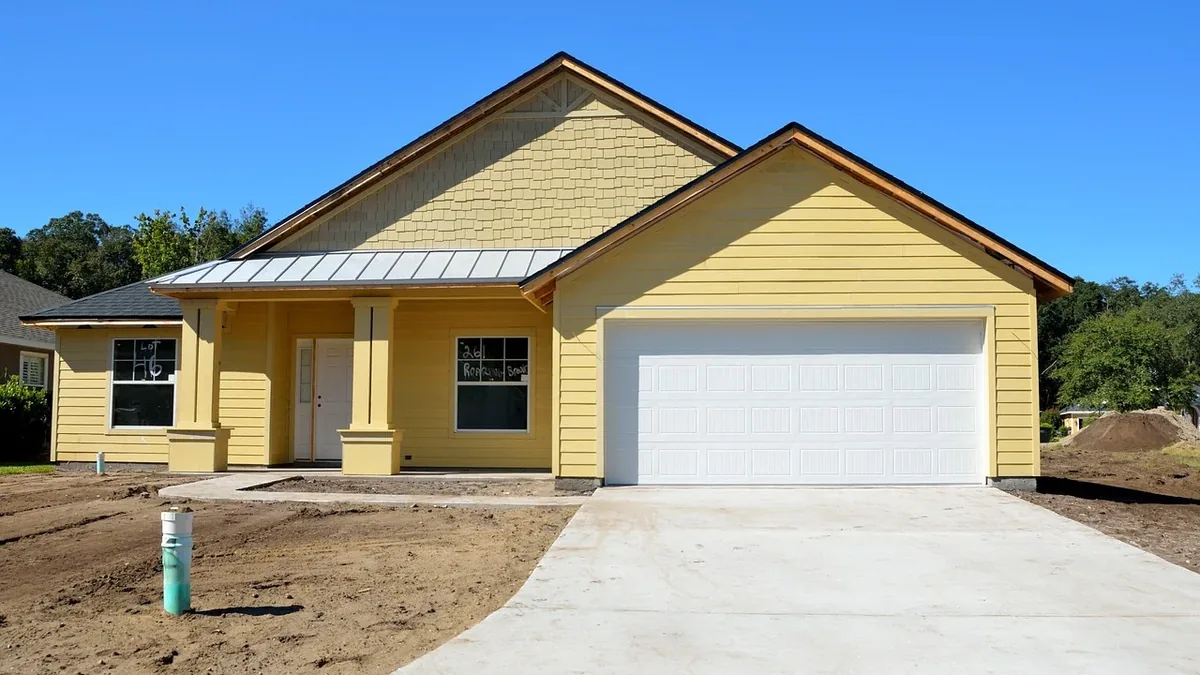
New Build Completions refers to the final stage in the housing construction process, when a newly built dwelling is certified as complete and ready for occupation. This point is legally defined, usually occurring when a local building control authority issues a completion certificate following a final inspection. The term is most commonly used in the aggregate, representing the total number of such dwellings finished in a geographic area over a quarter or a year. These properties range from detached houses and terraced homes to apartments in multi-unit blocks, and include both private market and social housing units. The data excludes properties created through conversion or change of use, focusing solely on newly constructed structures. Monitoring this figure is essential for understanding whether housing supply is keeping pace with demographic demand and household formation rates.
What to know
The completion date is a crucial legal and financial milestone, as it triggers the start of warranties, the payment of developer invoices, and often the date of property taxation. New build properties typically come with a structural warranty, such as the NHBC Buildmark or similar insurance-backed guarantee in other countries, which covers defects for a set period. There is a recognized phenomenon known as the "new build premium," where these properties often command a higher price per square foot than equivalent older homes, which can depreciate initially after purchase. Snagging, the process of identifying and remedying minor defects in finish and fittings, is a standard and expected part of purchasing a new build, and developers are obligated to rectify these issues. Ownership of communal grounds and management of shared facilities in new build estates is often handled by a private management company, which entails ongoing service charges for residents.
Common questions
A common question is whether new build homes are more energy efficient than older properties, and the answer is generally yes due to compliance with contemporary building regulations which mandate higher standards of insulation and heating system performance. People often ask about the potential for price negotiation on a new build, which can vary significantly depending on market conditions, the developer's sales timeline, and whether the property is a show home or a standard plot. Many inquire about the possibility of customizing finishes or layouts, which is sometimes offered during the early "off-plan" sales phase but becomes very limited once construction is advanced. Prospective buyers frequently question the maturity of gardens and landscaping, which are often supplied in a basic state requiring further investment and time to establish. There are regular concerns about estate management charges, including what they cover, how they are set, and whether they can increase. People also ask about the reliability of projected completion dates, which are estimates and can be delayed due to weather, supply chain issues, or labour shortages.
Pros and cons
A primary advantage is modern energy efficiency, leading to lower utility bills and a reduced carbon footprint compared to many older homes. New builds also offer the benefit of being chain-free purchases, minimal immediate maintenance, and contemporary designs that suit modern living. Significant drawbacks include the prevalence of smaller rooms and gardens compared to older properties of equivalent price, a lack of architectural character, and the potential for being located on unfinished estates with ongoing construction nuisance. The new build premium can lead to immediate negative equity in a slow or falling market, a common regret for buyers who purchase at the peak of a development's pricing. A frequent mistake is failing to commission an independent snagging survey, leading to protracted disputes with the developer over repair responsibilities. The uniformity of new build estates can also be a con for those seeking a neighbourhood with established community networks and mature greenery.
Who it suits
This housing option suits first-time buyers who value the financial predictability of low initial maintenance costs and the assistance of government schemes often tailored to new builds. It appeals to professionals and busy individuals who lack the time or desire for renovation projects and prefer a move-in-ready home with modern amenities. Downsizers are often attracted to new build apartments or bungalows for their manageability, security features, and single-level living options. Investors seeking rental properties with modern specifications and warranties that reduce repair liabilities may also target new build completions. It is less suited to those on tight budgets seeking maximum space, or to purchasers who place a high value on period features, large plot sizes, and established gardens. People who are highly sensitive to noise and disruption should carefully consider buying on an incomplete estate where construction may continue for years.
Latest New Build Completions news
Latest reporting

UK Rental Supply Shrinks by 240,000 Properties in Four Years
The UK rental market is in a supply crisis, with 240,000 homes lost from the sector since 2020. Rents are rising faster than incomes as new...

UK Budget Tax Changes May Deter Sovereign Property Investors
The UK government's budget proposes ending sovereign immunity from direct tax from 2029, potentially making UK property investments less attractive...
Government launches £4.7bn first-time buyer equity loan scheme
A new £4.7bn government equity loan scheme will help first-time buyers purchase new-build homes with a 2.5% deposit, launching fully in April 2027.

Labour's £3.3bn housing funding targets London's temporary accommodation crisis
London faces a severe housing crisis with nearly 75,000 families in temporary accommodation, a figure that has more than doubled since 2010. Labour's...

UK Housing Market Transactions Decline in Q3 2026
Transaction volumes across the UK housing market fell significantly in the third quarter of 2026, with agreed sales in England and Wales down 11%...

Prosper UK Housing Commission Urges Ban on Rent Controls
A new report from the Prosper UK Housing Commission calls for a legal ban on rent controls and reforms to boost build-to-rent supply, citing...