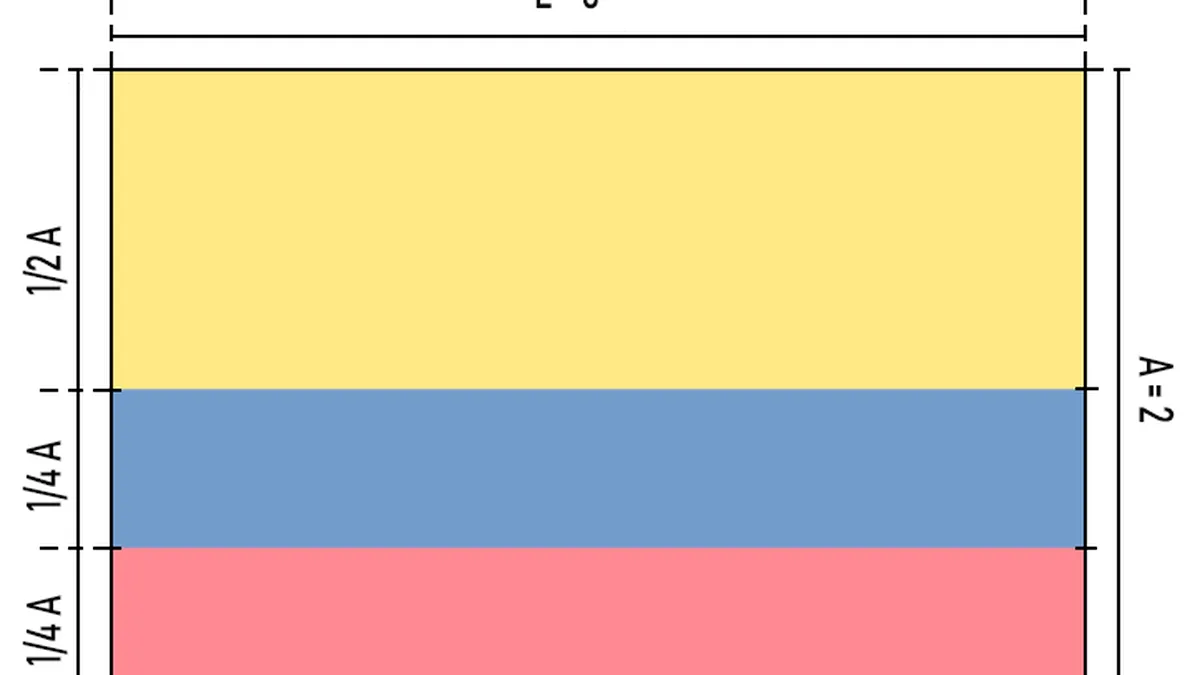
Colombia
| Capital | Bogotá |
|---|---|
| Official language | Spanish |
| Currency | Colombian peso (COP) |
| Foreign ownership restrictions | Generally permitted |
| Title registry system | Public Registry of Instruments (Registro de Instrumentos Públicos) |
| Typical property tax rate | 0.3% to 1.2% of cadastral value |
| Standard lease duration | 1 to 3 years |
Overview
Colombia is a unitary constitutional republic located in the northwestern corner of South America, with a diverse geography encompassing Andean mountains, Amazon rainforest, Caribbean and Pacific coastlines, and eastern plains. Its legal system is based on civil law, heavily influenced by Spanish colonial codes and subsequent national constitutions. The housing market involves transactions for renting, buying, or building residential property, governed by a complex framework of national laws, municipal regulations, and notary procedures. Key governing legislation includes the Civil Code, Law 820 of 2003 concerning leases, and various norms from the Superintendence of Notaries and Registry. Property rights are formally strong, with a national public registry system, though informal settlements remain a significant feature in major urban centers. The process for any housing transaction is notably bureaucratic, requiring multiple steps and the mandatory involvement of a public notary for most formal contracts.
History
The modern Colombian state originates from the Spanish colonial Viceroyalty of New Granada, established in the 18th century, with its current territorial form and republican government consolidating in the 19th century following independence achieved in 1819. Colonial land tenure was characterized by large haciendas and grants from the Spanish Crown, creating patterns of concentrated ownership that influenced later development. Following independence, the 19th and early 20th centuries saw legal efforts to formalize property rights through civil codes and a land registry, though implementation was often limited outside major cities. The mid-20th century witnessed rapid urbanization, leading to the proliferation of informal, self-built housing on the peripheries of cities like Bogotá, Medellín, and Cali, a phenomenon that continues to shape housing policy. Major legal reforms in the late 20th century, including the 1991 Constitution, strengthened social property rights and the ecological function of property, while subsequent laws attempted to regulate the rental market and formalize urban development. The history of internal armed conflict and illicit economies has also, in certain regions, complicated land titling and displaced populations, creating ongoing challenges for clear ownership.
How it works today
Today, a formal housing transaction in Colombia requires navigating a defined legal and administrative process. Purchasing property involves a preliminary sales promise, due diligence on the property's legal status in the Public Instrument Registry, and the execution of a public deed before a notary, who is responsible for verifying identities, calculating and withholding taxes, and registering the transaction. The notary's role is central and legally mandatory for the transfer of ownership, with fees regulated by the state. Renting is governed by Law 820 of 2003, which standardizes lease agreements, sets security deposit limits, and outlines eviction procedures, though many informal rental agreements exist outside this framework. Building a home requires obtaining numerous permits from municipal planning authorities, demonstrating legal ownership of the land, and complying with local zoning and construction codes, which can vary significantly between municipalities. Financing for purchase or construction is available through commercial banks or the state-owned Banco Agrario, often requiring extensive documentation and, for mortgages, the property itself as collateral. Despite a formal system, a substantial portion of the housing stock, particularly in lower-income sectors, remains in informal settlements with insecure tenure, leading to parallel, unofficial markets for land and housing.
Pros and cons
A significant pro of the Colombian system is the relative security provided by the formal public registry and notarial system, which offers a clear chain of title for registered properties and reduces the risk of fraud when procedures are correctly followed. The legal framework for renting provides balanced protections for both tenants and landlords when contracts are properly formalized. However, a major con is the extreme bureaucracy and slow pace of transactions, where the process of due diligence, notarial formalization, and registration can take months and involves multiple separate office visits, creating frustration and opportunities for administrative bottlenecks. A common and serious mistake is failing to conduct exhaustive due diligence, which can lead to purchasing a property with hidden liens, succession disputes, or even involvement in illicit activities, resulting in costly and protracted legal battles. The system particularly disadvantages those with informal or unclear title, as the process of formalization is prohibitively complex and expensive, locking them out of formal credit markets. Furthermore, the heavy reliance on notaries, while providing oversight, also centralizes power and cost in a guild-like profession, making transactions more expensive and less flexible than in systems with simpler conveyance.
Who it suits
The formal Colombian housing transaction system best suits individuals with stable, formal-sector incomes, high tolerance for bureaucratic processes, and the financial capacity to pay notary fees, taxes, and professional legal advice. It is particularly suited for those purchasing modern, formally developed properties in urban centers where the title history is well-documented in the registry, minimizing due diligence risks. The rental law framework suits landlords and tenants seeking long-term, stable arrangements who value legal enforceability over flexibility or lower cost. The process of building a home formally suits those with clear, registered land ownership and the patience to navigate municipal planning departments, making it more accessible to those with professional project management assistance. Conversely, the system is poorly suited for individuals with irregular income, those seeking quick transactions, or anyone attempting to navigate property matters without the budget for a knowledgeable lawyer or *gestor*. It is also ill-suited for resolving the needs of the millions in informal settlements, for whom alternative, community-led titling programs are often the only viable path to security of tenure.